0862.786.889
info@mvgcoffee.com



Get a quote
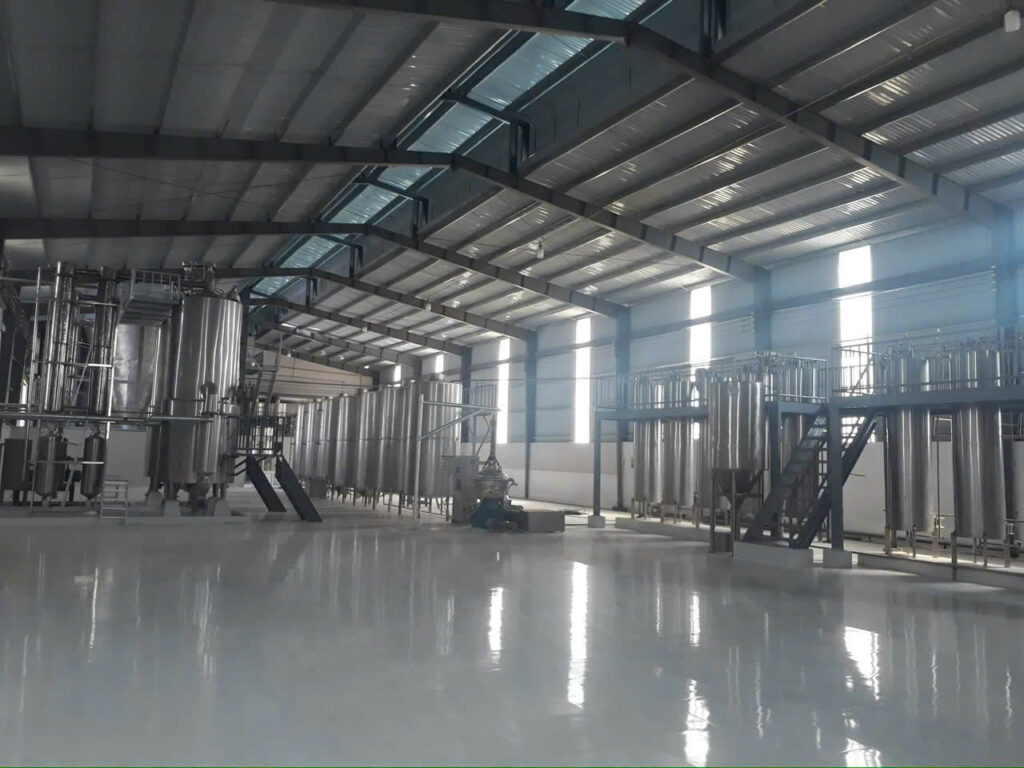
In instant coffee production, drying technology is a key factor that determines the sensory characteristics and overall value of the final product. The two most widely used technologies today — spray drying and freeze drying — offer different processing approaches and applications, each suited to specific market needs.
Spray drying is a conventional method in which coffee extract is atomized into fine droplets and sprayed into a high-temperature drying chamber. The water evaporates almost instantly, producing fine coffee powder that dissolves quickly. The main advantages of this technology are its fast production speed and cost efficiency, making it well suited for large-scale production and the mass-market segment of instant coffee for everyday consumption.
In contrast, freeze drying processes coffee extract at very low temperatures, first freezing it into ice before removing the water through sublimation under vacuum conditions. Since the product is not exposed to high temperatures, freeze drying helps preserve a greater proportion of volatile aromatic compounds, resulting in crystalline granules with a flavor profile closer to freshly brewed coffee. However, this process requires longer production times and significantly higher investment costs, so it is typically applied to premium coffee products.
“Regardless of the technology chosen, we believe the ultimate goal is always to preserve the authentic flavor in every product.”
Choosing the right drying technology depends not only on cost considerations but also on product positioning and target market segments. This is why manufacturers such as MVG Coffee invest flexibly in both technologies, enabling a more diverse product portfolio and better meeting the needs of different markets — from mass-market consumption to premium segments.